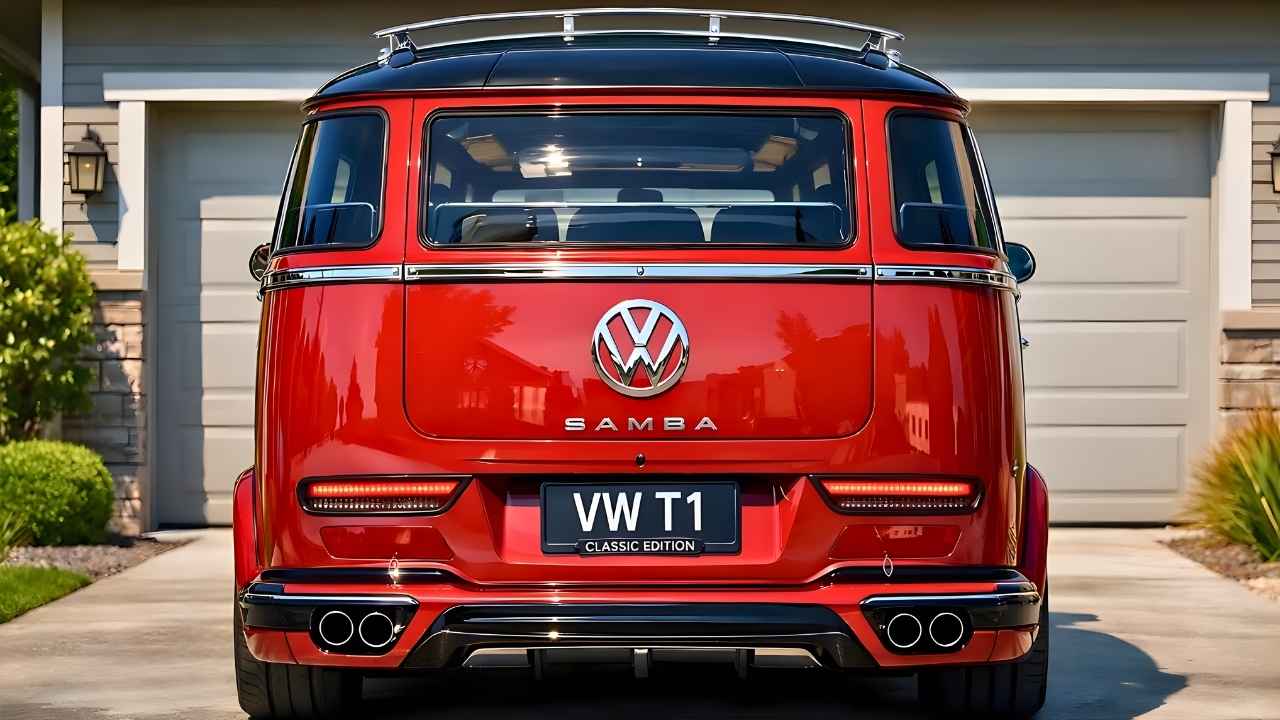
The Volkswagen Bus T1 Samba has remained one of the most iconic vehicles in automotive history. Originally part of Volkswagen’s Type 2 lineup in the 1950s, the Samba, also known as the “21-window” or “23-window,” captured hearts with its cheerful design, panoramic windows, and practical versatility. Even decades after its introduction, the T1 Samba continues to inspire collectors, vintage enthusiasts, and drivers who appreciate style, nostalgia, and utility. Its legacy of freedom and adventure remains unmatched in the world of classic vehicles.
Distinctive Exterior Design
The T1 Samba is instantly recognizable for its rounded front end, split windscreen, and soft, flowing lines. Its panoramic roof windows, one of the model’s most celebrated features, create an open and airy feeling inside the cabin. Depending on the specific model, some versions featured up to 23 windows, providing unmatched visibility and a unique passenger experience.
The two-tone paint schemes became a defining feature, with pastel and bright colors enhancing the bus’s cheerful personality. Chrome-trimmed bumpers, VW hubcaps, and subtle exterior details contributed to a design that has aged gracefully. The Samba continues to capture attention at car shows, rallies, and on the road, proving the timeless appeal of its aesthetic.
Spacious and Welcoming Interior
Inside the Volkswagen Bus T1 Samba, practicality and comfort were carefully balanced. The cabin was designed to carry families, travellers, and workers, offering a flexible seating layout that could adapt to passengers or cargo. Wide benches, generous legroom, and the airy feeling from the numerous windows created a social and inviting environment.
The dashboard was simple and functional, with analogue dials and straightforward controls. Owners often personalized interiors with custom upholstery, curtains, or unique decorative touches, a practice that continues in restored examples today. The combination of light, space, and practical design made the Samba a comfortable vehicle for daily use or extended trips.
Versatility and Everyday Utility
The T1 Samba was more than just a stylish vehicle. Its flat floor, boxy cargo area, and foldable seating made it adaptable for a wide range of tasks. Families used it for road trips, artisans converted it into mobile workshops, and adventurers outfitted it for camping. Its simplicity allowed for easy maintenance and made it a dependable vehicle in many regions of the world.
The ability to carry passengers, luggage, or sporting equipment without compromising comfort contributed to the bus’s enduring popularity. Even before SUVs and crossovers became mainstream, the Samba provided a practical, flexible solution for everyday transportation.
Cultural Icon and Enthusiast Following
The Volkswagen Bus T1 Samba became a symbol of the 1960s and 1970s counterculture, representing freedom, exploration, and creativity. Its friendly design and affordability made it popular among young people, travelers, and artists. It appeared in films, photography, and art as a vehicle of joy and independence.
Today, collectors prize the Samba for its historical and cultural significance. Clubs and online communities support restoration, customization, and social events, keeping the Samba alive as both a hobby and lifestyle. Vintage rallies, car shows, and classic tours frequently feature these vehicles, preserving their cultural resonance.
Restoration and Customization
Restored T1 Samba models are highly sought after by enthusiasts. Specialists carefully source original parts and maintain authenticity while some owners opt for modern upgrades, including improved engines, suspension, or interior amenities. Custom paint jobs, unique interior materials, and tailored accessories allow owners to personalize their buses while respecting the classic design.

This combination of restoration and modern enhancements keeps the Samba relevant for collectors and riders who want vintage charm with enhanced comfort and usability.
Enjoyable Driving Experience
Although it is a vintage vehicle, the T1 Samba remains practical for leisure drives. Its upright seating, wide windows, and easy entry make it comfortable for short journeys or weekend trips. Restored examples often participate in classic car tours and parades, offering a glimpse into a bygone era while still delivering enjoyable motoring experiences.
Final Thoughts
The Volkswagen Bus T1 Samba is more than just a vehicle; it is a cultural and automotive icon. Its timeless design, spacious interior, practical versatility, and nostalgic charm continue to captivate enthusiasts decades after its debut. From classic car gatherings to restored road trips, the Samba embodies a sense of freedom, adventure, and joy that few vehicles have matched. Its legacy as a symbol of style, practicality, and community ensures that it will remain celebrated for generations to come.